How to Arrange Chaise Lounges Around a Residential Pool
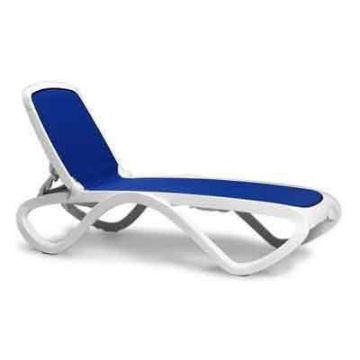
Around a residential pool, chaise lounges do more than fill space. They set the rhythm of the area: where people pause, where they sunbathe, how they move from water to towel to shade. resin outdoor chairs work well here because they are made for outdoor use and are easy to move when the light shifts. The trick is to plan the layout before dragging furniture into place.
Measure the deck and mark the quiet zones
Start with the shape of the pool deck, not the furniture. Note the pool edge, steps, handrails, skimmers, drains, gates, and any path that people use to enter or leave the water. Give those routes clear space. A lounge that looks fine in a showroom can feel oversized beside a pool, especially when several chairs share the same paving.
Walk the deck in your mind as a route. From the house to the pool, from the pool to towels, from the pool to shade, and from one side of the deck to the other. Avoid placing lounges where wet feet will cut between them and the water. Watch for gates that swing outward, doors that open onto the deck, and narrow corners where someone carrying a tray or towel has to turn sideways.
Now mark the sun pattern. Morning light, midday heat, and late afternoon glare fall differently on every property. A row of lounges in full sun may be pleasant at one end of the deck and uncomfortable at the other. If there are trees, umbrellas, pergolas, or a wall that throws shade, treat those spots as valuable. The goal is not to fill every open patch. It is to make a few places that feel easy to use.
Choose the right number of lounges
Count regular use rather than imagining a crowd. A small pool deck with two lounges often feels calmer than one crowded with six. Leave enough open paving for movement, towel shaking, and simple cleaning. When chairs sit too close, the whole area starts to feel cluttered even if the furniture itself is slim.

Resin outdoor chairs suit pool settings partly because their frames and surfaces tolerate outdoor conditions better than many indoor pieces. Look at the full footprint of each chaise lounge, including the base and any wheels. Check the reclining range too. A chair that lies almost flat needs more depth behind it than one kept upright.
Think about how the chairs will be stored or shifted during bad weather. If they are light enough to move often, placement can be more flexible. If they stay in one place for most of the season, choose positions that work through the day and do not block drains or access points.
Set the first row along the pool edge
Place the first lounges parallel to the pool, with the backrest angled toward the water if that view matters. This arrangement gives sunbathers a clear line of sight and keeps the deck feeling open. Leave a comfortable gap between the pool edge and the front of each lounge. Wet feet, towels, and small items can create slip hazards when furniture sits too close to the water.
Keep the row aligned, but do not make it rigid if the paving has cuts, drains, or irregular corners. A slight offset can make the layout look more natural and preserve a usable path. Check that reclining the backrest does not push the chair into a planter, wall, or another seat. Watch the space behind each lounge as carefully as the space in front.
If the pool has a shallow entry or steps, avoid aiming lounges directly at that area. People entering and leaving the water need a clean approach. A chaise placed across that route may seem convenient until several people try to use it at once.
Add side tables where they solve a problem
A side table beside a chaise lounge makes the setting more usable. It gives someone a place for a drink, book, phone, or towel without balancing items on the arm or the paving. Place the table between two lounges when you want to share it, or beside one chair when the spacing allows.
The table should sit close enough to reach while reclining, but not so close that it traps a leg or blocks the path. Check the height against the chaise. A table that is too low feels awkward from a lounging position, while one that is too high can dominate the view. Rounded edges are useful around a pool because movement is often barefoot and relaxed.

Avoid putting tables where they collect leaves against a fence or where pool equipment needs regular access. Keep the surface stable. A light table can tip in wind or when someone rests a towel on one edge. If the deck is exposed, choose a shape and weight that feel settled.
Build in shade, towels, and breathing room
Even a sunny pool area needs a shaded pause. Position at least one lounge where sun exposure can be reduced by an umbrella, tree canopy, or structure. If shade moves during the day, leave enough open space for a chair to be moved without crossing the main walkway. This is where lighter furniture becomes practical.
Give towels a defined place. A small bench, rack, or dry corner near the pool keeps wet towels from being draped over every chair. The ideal spot is close to the water but outside the busiest route. Good comfortable furniture for pool decks works best when the surrounding layout supports the way people actually use it, not just how it looks in a平面图.
Leave clear space around pool equipment, electrical fittings, and any fenced service area. If something looks damaged, loose, or unsafe, do not try to repair it as part of a furniture arrangement. Signs such as exposed wiring, cracked fittings, or a damaged cover are a job for a qualified professional.
Check the layout from every angle
Once the main pieces are in place, stand at the house door, the pool steps, and the far side of the deck. Look for tight turns, chair corners that jut into a path, and places where two people would have to pass sideways. A layout can look orderly from above yet feel awkward at ground level.
Test each chaise lounge in its normal positions. Raise and lower the backrest. Check that the frame does not scrape paving or catch on a table leg. If wheels are part of the design, make sure they sit firmly and do not roll on a slope. Sloped paving can turn a stable chair into a drifting one, so use a flatter spot or add a suitable outdoor rug with a non slip backing where appropriate.
Think about chlorine exposure and routine surface cleaning. Chairs close to the water may be splashed often, while chairs under trees may collect sap or leaves. Neither spot is wrong, but each creates a different maintenance rhythm. A layout that leaves room to wipe, rinse, and move chairs will stay pleasant longer than one packed edge to edge.
Refine the small details
After the big pieces are settled, adjust the finish. Angle lounges toward a view, a shaded area, or a conversation point rather than leaving all of them facing the same direction by default. Pairing chairs in twos can create a social feel, while single chairs with wider gaps give a quieter tone. Mixing a chaise with upright seating can also make the deck useful for more than sunbathing.
Keep decorations light. Large pots, heavy planters, and loose rugs can make a pool deck feel cramped. If towels, cushions, or toys are part of daily use, leave a basket or dry storage spot within reach. Comfortable furniture for pool decks is only part of the setup. The rest comes from clear paths, practical spacing, and places to put the small things that follow people outdoors.
Finish with a slow safety pass. Look for puddles near seating, cords across walking areas, sharp corners at child height, and furniture that shifts too easily. Adjust anything that feels crowded. A good pool layout leaves room for the water, the people using it, and the quiet moments between them.